For a retirement village, community centre, marae, sports club or workplace
We have people and a hall on a quiet weekday. Can that be worth something?
They already buy fruit and veg. They order a bag. The hall packs for about an hour. Thursday or Friday, it lands. You choose where the host money goes. Unwanted produce can go to the local foodbank.
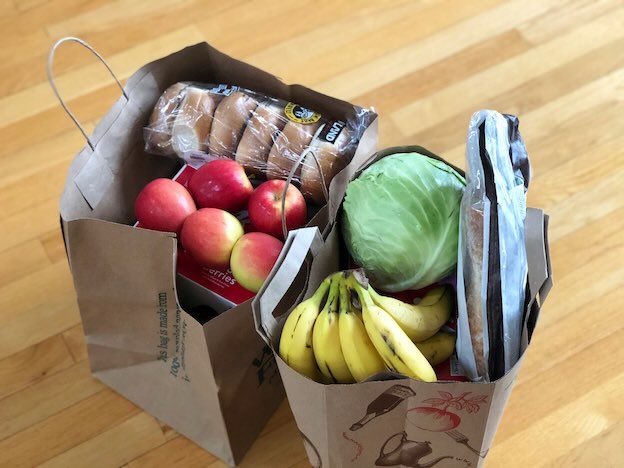
One quiet hour. You choose where it goes.
Three steps, and a decision that is genuinely yours.
-
1
People order
Residents, members or staff order a weekly bag they were going to buy anyway.
-
2
The hall packs
About five people, about an hour, on a quiet weekday.
-
3
Thursday or Friday drop
Depending on the community, in the evening when people are home.
You choose where the host money goes. Keep it, or pass it on.
Unwanted produce can go to the local foodbank.
Does this sound like you?
The room is the same. The reason for doing it is not.
A village lounge
Residents order. You choose where the donation goes, and that question is the interesting part.
Clubrooms
Members already buy fruit and veg. The club can keep the host money.
A marae or community centre
A hall on a quiet weekday, and a decision about where the leftover goes that belongs to you.
A workplace tearoom
Staff order. Pack on a quiet hour. Not another event to organise.
What one member says to another
I am doing this. Do you want to as well? It supports the foodbank, and some of it stays with us. I can show you how to sign up. You can help pack if you want, it is quite fun, but there is no pressure.
A club, village, centre or workplace may be named on the invite. That is not the church rule. Lead the leftover story with the local foodbank either way. Ordering two and giving one away is optional, not the default.
Who is on next Tuesday
A round runs on about five people a week, and the hard part is not the packing. It is knowing in advance who is actually coming, without running it in a group chat.
- The year on one screen, with the current month marked, so you can see the shape of it rather than walking a calendar a week at a time.
- Edit many weeks at once, instead of opening each date in turn.
- Who said yes, who said no, and who has quietly stopped turning up.
A roster tells you who is coming before the day, instead of on the day. It cannot make someone turn up, so you still have to ask people.
The packing hour
The unit of work, and the only thing you are actually committing to.
What a bag of fruit and veggie costs
$30 a week Delivered, GST inclusive. A $20 bag plus $10 delivery.
Households pay for their own bags. Comparable with the supermarket: growers are not squeezed, the costs are transparent, some of it can stay with the host or go to the foodbank, and people skip Saturday in the fruit and veg aisle. Collection is not generally offered, so $30 delivered is the price.
The organisation is not buying the round. There is no host licence and no fee to host.
Is this something you could take on?
This is a scoping conversation, not a sign-up. Tell us roughly who your people are and what your week looks like, and we will come back to you. The one page below is written for the committee or the operator.
Start a conversationNobody is signed up to anything by sending this.
One page for the committee or the operator
What it is
Members, residents or staff order a weekly fruit and veg bag. About five people pack for about an hour. A local person drops it Thursday or Friday. The host that supplies the volunteers receives the host money, and you keep it or pass it to a foodbank. Unwanted produce can go to the local foodbank.
What it is not
Not a cut-price supermarket. Not a church pitch. Not another big day to staff. Not a guarantee of a round every week.
Cost
Households pay $30 a week delivered, GST inclusive, for their own bags. The organisation is not buying the round. There is no host licence and no host fee, so there is no host cost to approve.
Risk
A short week is postponed before the fruit and veg order is placed and before anyone is charged. Produce is packed at the hall and delivered the same day. Whose name goes on the neighbour leaflet is yours to decide.
Who is liable
Insurance and food safety are backed by the distributor and aggregator of fruit and veg at the wholesale level.
Decide
Whether a coordinator may approach this as a trial round, or not. No software contract is required to have that conversation.
The same providers supply the supermarket chains, who deal in pallet loads of fruit and veg every week.
Questions
The ones a committee asks first.
Is this a church thing?
No. This page is for a village, club, marae, centre or workplace.
What if we do not make the minimum orders?
If the week is short of orders, it is postponed before the fruit and veg order is placed and before anyone is charged.
What if I do not want to order every week?
You can skip a week, pause, or stop altogether.
What if our organisation wants to keep the money?
The host that supplies the volunteers receives the host money. You can keep it, or pass it to a foodbank. Where it goes is your decision.
What if we cannot field volunteers one week?
Five people, one hour, is the unit. If the week is short of volunteers, it is postponed before the fruit and veg order is placed and before anyone is charged.
Do we put our name on the neighbour leaflet?
You can. A club or a village is not a church. Lead the leftover story with the local foodbank either way.
How does this compare to the supermarket?
Comparable. People skip Saturday in the fruit and veg aisle, growers are not squeezed, and some of it can go to the foodbank. The host receives a split of the net profit.
What does it cost us to host?
Households pay for their own bags. You supply a hall for an hour and about five people. There is no host licence and no host fee.
Can leftover produce go to our own kitchen or lunches?
We have not cleared that, so the answer today is no. Fruit and veg a family does not eat, and the leftover surplus, can go to the local foodbank instead.
Start a conversation
Tell us roughly who your people are and what your week looks like. We will come back to you.