For the manager of a food bank, whatever size, wearing every hat
Referrals, packing, rosters, better reporting & funding grants
A referral comes in. Someone has to pack it. Then the funder wants a number. If that lives in email and a spreadsheet, the week is the work.
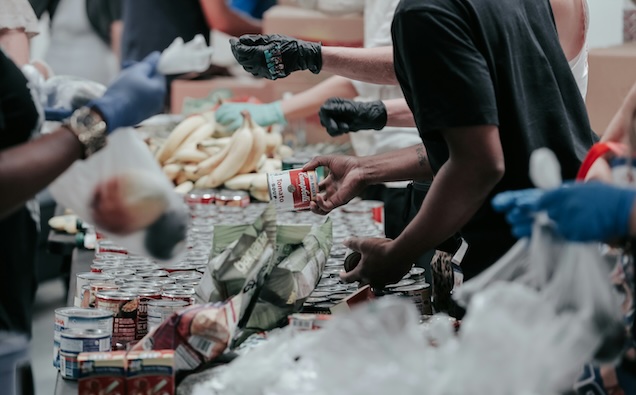
Does this sound like you?
Three operating models. Find yours before you look at a single feature.
No walk-ins
Pre-order, vans, drop sites. The door is not the model, and it never was.
Walk-in, capped
A daily limit. Some days you have to say no, and you need that to be a rule rather than an argument.
Agency referral only
No self-referral. The case worker sends them, and that is the whole intake.
The week, on one list
Four things that currently live in four places.
-
1
Inventory control
Better inventory management comes first.
-
2
Referral in
From an agency, a case worker, or a capped walk-in queue (optional).
-
3
Pick and pack
A printed list, so nobody has to work a screen on the day.
-
4
Funder report
Built from the same records, so it is not assembled on a Sunday.
Who we work with
A well-known Auckland foodbank runs its warehouse on this.
We do not name the food banks we work with. If you want a reference, please ask.
What it costs
From NZD $10 a month Per 100 orders, plus GST. The first 30 days are free.
Priced on how many orders you run, not on the size of the organisation. There are four plans and you move between them as your requirements change. Referrer organisations, case workers, volunteers and drivers are not charged per head.
You can stop at the end of the trial and owe nothing.
Start a 30-day trial
Take one week of real referrals through it. That is the test worth running, and it is the one a board will ask about.
Start a 30-day trialThirty days. The champion is usually not the signer, so there is a page below for whoever is.
For the manager
What it is
Software for a food bank: who was referred, what was packed, and what to tell a funder. One list rather than an inbox and a spreadsheet.
What it is not
Not a fruit-and-veg shop. Not a church fundraiser. Not a shop counter. Not a promise that volunteers will love it.
Cost
A 30-day trial, then a monthly fee based on order volume, which we put in writing before anything is charged. It is a software fee, not a donation form.
Risk
Names, and what people eat. Some volunteers will still want paper, and packing runs off a printed list precisely so they can have it.
Who is liable
Hosting, privacy and access terms are not settled yet, and a board is right to ask for them. Ask, and we will put them in writing before anything is signed.
Decide
A 30-day trial, or not. The person who brought this to you cannot sign it.
The champion will not be in that meeting. That is why this is one page.
Questions
The ones managers ask before anything else.
We do not do walk-ins. Is this still us?
Yes, if you pre-order, pack and deliver. The door is not required.
What if we do not take agency referrals?
Agency referrals are the cleanest way to run intake, and referrer organisations, case workers and their codes are all built for it, but they are not a requirement. You can take walk-ins on a daily cap instead, or let households order ahead, or run those alongside referrals.
We have a daily cap.
Yes. Daily caps and per-date overrides are built, and walk-in sites run on them today.
Will this eat a month of packing to set up?
Run the trial on one week of real referrals. That will tell you more than any number we could give you.
What do I tell the board it costs?
A 30-day trial, then a monthly fee based on order volume, which we put in writing before anything is charged.
Can I use this for a grant application?
The point of the report is a number you can defend. A small grant is often not worth the paperwork either way.
Does this replace our shop?
No. This page is referrals, packing and the report.
Do our volunteers have to use it?
The manager needs the list. Packing runs off a printed sheet, because some volunteers will always want paper.
Who else is on it?
We do not name the food banks we work with. A well-known Auckland foodbank runs its warehouse on it. If you want a reference, please ask.