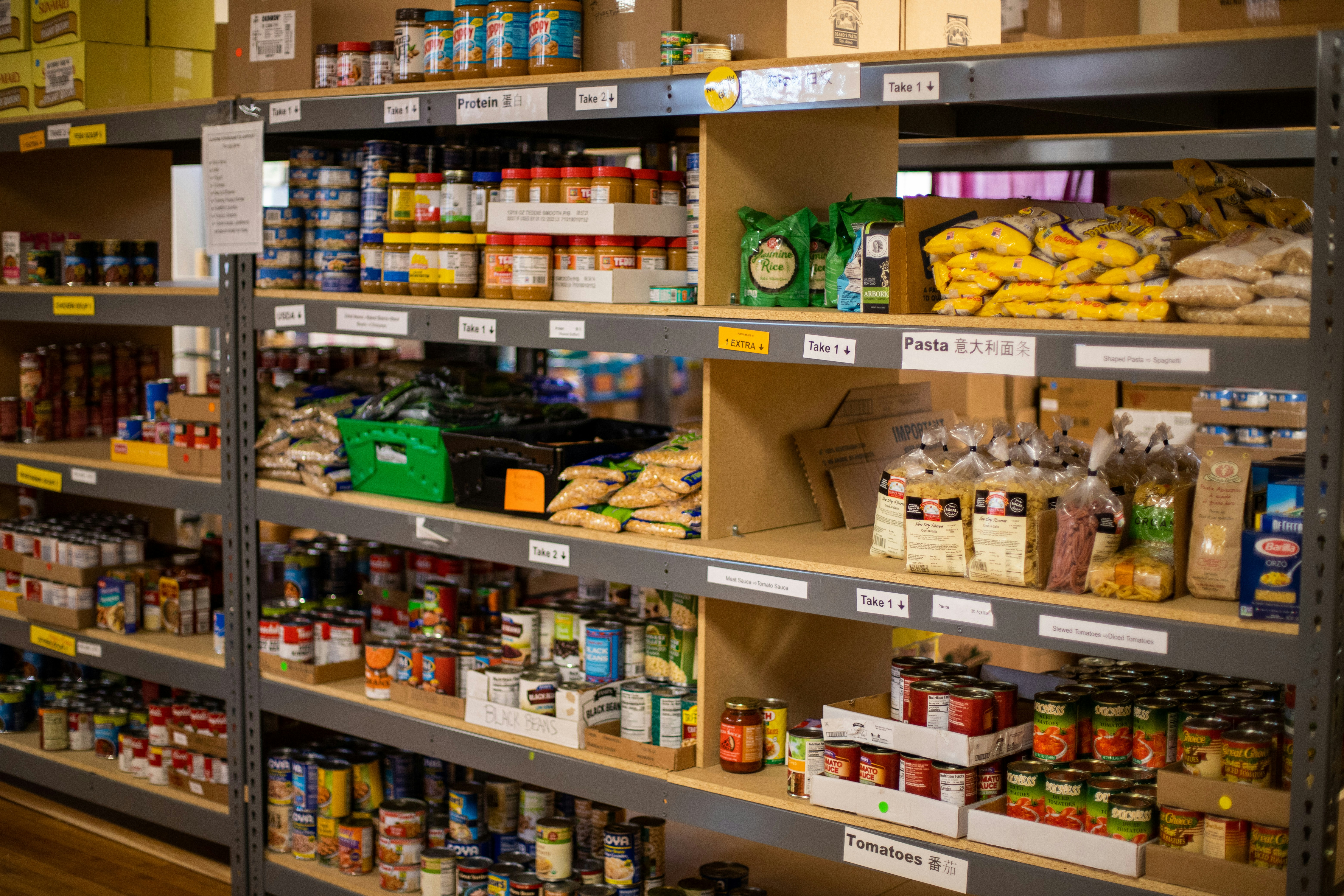
Stocktake without spreadsheets
You already know how the next stocktake is going to go. Someone prints last quarter's spreadsheet. Two people start counting shelves. A third gets pulled away because a delivery's just arrived. By the time you reconcile the numbers on Monday morning, half of what you counted has already gone out the door.
The reason it hurts isn't the counting. It's that the count is divorced from the everyday - a special event you brace for, instead of something that's just true at any given moment.
Here's how smaller foodbanks we've worked with cut the pain.
Count what matters, not everything
You don't actually need to know that you have 47 cans of baked beans. You need to know:
- Are we going to run out of any staple this week? (the low-stock question)
- Is anything close to expiry that we should push out first? (the expiry question)
- What did we receive this month, and what did we give out? (the funder/reporting question - more on that in a separate post)
That's three questions. Almost everything else is detail you can recover from receipts if you really need it.
If you spend stocktake time chasing precision on items that don't drive a decision, you're trading the volunteers' goodwill for a number nobody's going to act on.
Capture stock as it moves, not as a quarterly event
The change that makes the biggest difference isn't a better spreadsheet. It's catching stock at the two moments it actually changes: when it comes in, and when it goes out.
- Coming in. When a pallet arrives, someone is unpacking it anyway. That's the moment to write down what landed - bay number, rough quantity, expiry date if it's perishable. Five minutes of recording at the right time saves an hour of forensic counting later.
- Going out. Most foodbanks already log parcels for funders. If the log captures what was in the parcel (even at a category level - "1× protein, 2× tinned veg, 1× cereal"), your outbound side is mostly done.
Do this for three months and the quarterly stocktake stops being a stocktake. It's a check that the numbers you've been recording match what's on the shelves - much shorter, much less stressful.
Categories beat SKUs
If you're a 30-parcel-a-week operation, you do not need a SKU for every variant of every can on the shelf. You need categories your volunteers can actually agree on.
A workable starter set:
- Proteins - tinned meat, tinned fish, beans, lentils, eggs
- Carbohydrates - pasta, rice, cereal, bread
- Tinned vegetables / fruit
- Dairy and substitutes
- Fresh produce
- Toiletries and household
- Baby and infant
- Cultural / dietary specific (halal, gluten-free, etc - depending on your community)
A volunteer can sort an incoming pallet into eight piles without training. Eighty SKUs they can't. Start with categories; let the detail grow only where you actually need it (e.g. you might split fresh produce once you have a regular cold-chain donor).
Expiry is the silent killer
The food on the shelves is changing all the time, but the items in trouble are usually the ones that have been there longest - pushed to the back, forgotten under the new arrivals. A simple monthly walk-through, just looking for things expiring in the next 60 days, will catch most of it.
If you can shift those into the front of the parcels going out this week, you've turned almost-waste into actual nourishment. Two volunteers, one hour a month.
Where software helps (and where it doesn't)
Software earns its keep when:
- the same data is needed in three places (the shelf, the funder report, the parcel log) and you're tired of typing it three times
- you have multiple volunteers who need to see the same picture without WhatsApp chains
- you want to scan a barcode instead of writing down a product name
Software is overkill if:
- you're a one-person operation with a shelf you can eyeball
- you only need numbers for one funder once a year
If you're at the point where the spreadsheet hurts but the prospect of a "real system" sounds expensive and scary, that's exactly the conversation HelpingHand is built for. The entry point is deliberately low for small foodbanks and scales as you grow, and the setup is measured in hours, not weeks. Have a look at helpinghand.nz if that's where you are - or just take the patterns above and apply them with the tools you already have.
The point isn't the software. It's getting back the Saturday morning.